All Concerning Grade College: Essential Facts and Improving Experiences for Young Learners
Grade college plays an essential function in shaping young students' futures. It incorporates crucial academic subjects and supports social skills via structured communications. Additionally, extracurricular activities provide opportunities for imagination and team effort. Adult participation even more boosts this foundation, sustaining kids in their academic trips. As these elements link, they develop a thorough instructional experience. However, what certain methods can instructors and moms and dads utilize to maximize this advancement?

Comprehending the Elementary School Curriculum
As pupils begin their elementary school journey, they come across a curriculum made to develop fundamental abilities and expertise throughout different topics. This curriculum commonly encompasses core locations such as mathematics, language arts, science, and social research studies. Each subject is structured to cultivate essential thinking, creativity, and problem-solving capacities, essential for future scholastic success.
Language arts concentrate on analysis, composing, and interaction abilities, promoting trainees' ability to share themselves clearly. Mathematics introduces fundamental concepts, including enhancement, reduction, and later on, multiplication and department, preparing for a lot more intricate problem-solving. Scientific research urges questions and exploration, stiring up curiosity regarding the all-natural globe, while social research studies imparts an understanding of area and multiculturalism.
In enhancement to core topics, the curriculum frequently includes arts and physical education, giving a versatile educational experience that promotes both physical and intellectual growth. Quality institution offers as a vital platform for lifelong discovering.
The Structure of Grade Institution Education And Learning
While elementary school education and learning differs by region and establishment, it normally adheres to a structured structure that promotes modern learning. Normally, elementary school incorporates a variety of grades, frequently from preschool through sixth or 5th quality, depending on the instructional system. Each grade level corresponds to specific developing milestones, with curricula developed to build on prior knowledge.
Classes are usually arranged into core subjects, including maths, language arts, scientific research, and social researches, making sure that students receive a versatile education. Guideline frequently integrates direct training with hands-on activities, fostering interaction and essential thinking.
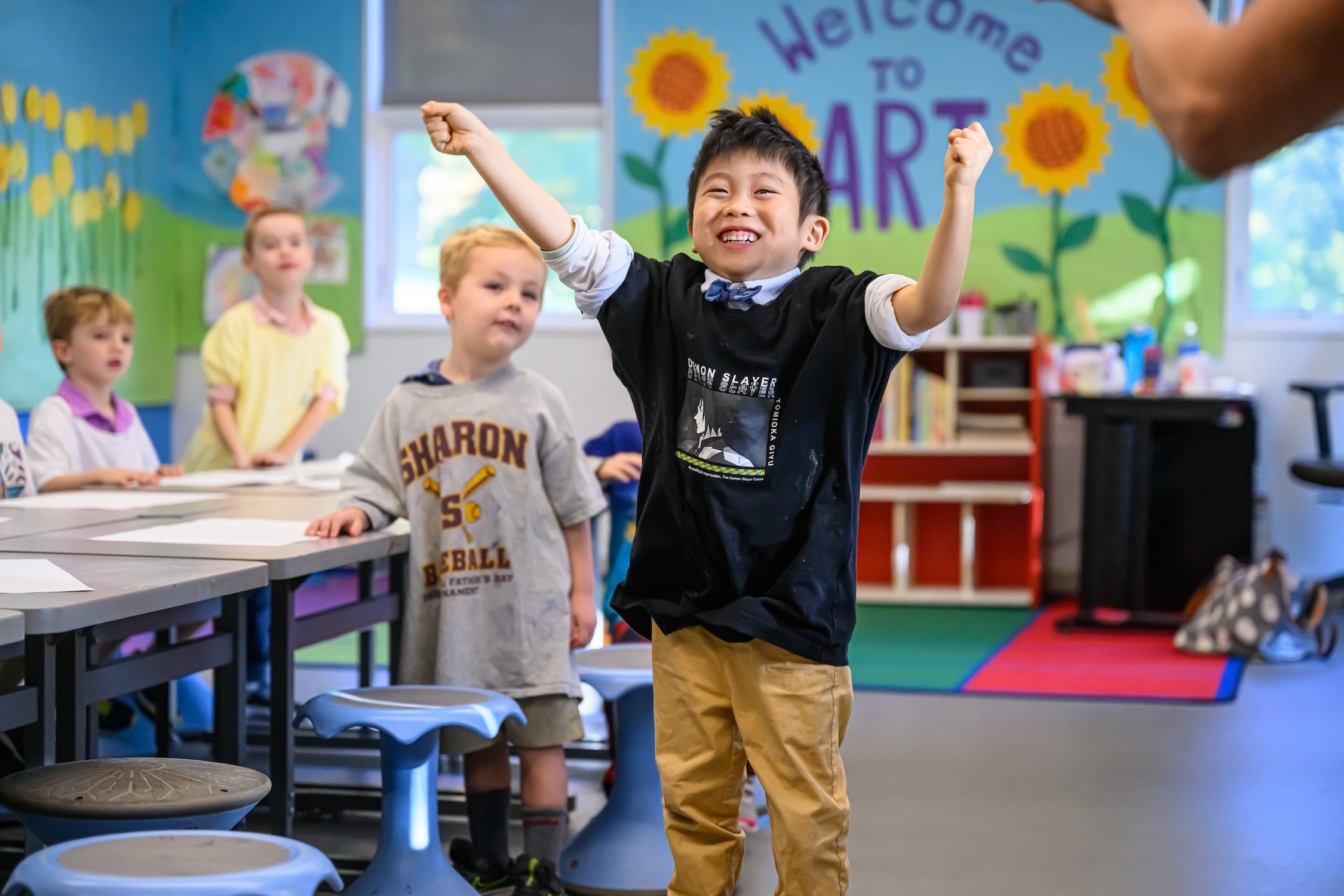
Assessment methods vary but normally include tests, projects, and quizzes to examine pupil understanding. In addition, instructors usually team up to develop interdisciplinary devices, boosting the finding out experience. Overall, the structure of elementary school education and learning intends to grow fundamental abilities, prepare pupils for future scholastic challenges, and advertise a love for learning that extends beyond the classroom.
Social Skills Advancement in Early Learners
Elementary school education and learning not only concentrates on academic skills yet likewise plays a substantial function in the advancement of social abilities among early learners. Throughout these formative years, kids participate in numerous activities that urge interaction, cooperation, and communication with peers. Team projects and cooperative discovering settings supply possibilities for kids to exercise sharing, discussing, and resolving conflicts.
Furthermore, organized playtime promotes necessary skills like empathy and understanding, as children find out to recognize and respond to the sensations of others. With assisted social communications, teachers help trainees establish important listening and conversational skills. As youngsters navigate friendships and team dynamics, they acquire confidence in their social abilities.
The Duty of After-school Activities
Extracurricular activities play a considerable function in boosting the educational experience of grade institution students by giving methods for personal growth beyond the classroom. These activities allow trainees to explore interests and abilities, promoting imagination and self-expression. Engagement in sports, music, art, and clubs grows teamwork, management skills, and Get More Information a feeling of belonging.
Additionally, taking part in such activities advertises physical wellness and health, motivating pupils to keep an active lifestyle. Private School. Extracurricular programs likewise act as a platform for students to construct friendships and create social skills, which are vital for their total advancement
As students browse their interests outside of academics, they gain beneficial experiences that add to their confidence and strength. Ultimately, these activities play a vital function in shaping well-rounded individuals, preparing them for future obstacles both in and out of the class.
Supporting Understanding Via Adult Involvement
Adult participation greatly improves the educational journey of quality school trainees, as it fosters a supportive atmosphere that strengthens understanding. Engaged moms and dads add to their children's scholastic success by going to college events, assisting with homework, and maintaining open communication with educators. Grade School. This involvement not just improves trainees' motivation but also cultivates a feeling of belonging and self-confidence
Study shows that children whose moms and dads are proactively entailed tend to have greater qualities, better participation, and improved habits in college. Additionally, parental engagement encourages the growth of vital life skills, such as time administration and responsibility.
Institutions can promote this involvement by holding workshops, giving sources, and motivating routine feedback. By developing partnerships in between instructors and parents, grade schools can assure a detailed method to student development. Ultimately, adult participation serves as a foundation for fostering a positive academic experience, benefiting both students and the institution area in its entirety.
Frequently Asked Concerns
What Are the Typical Elementary School Hours for Trainees?
Typical elementary school hours for pupils normally vary from 8:00 AM to 3:00 PM, differing by area. Many institutions incorporate a lunch break and recess, ensuring pupils have time to reenergize throughout the day.
Exactly How Do Quality Schools Address Diverse Learning Requirements?
Quality schools deal with diverse learning requirements via separated direction, customized lesson strategies, and support solutions, making sure all students get appropriate sources. Teachers work together with experts to Discover More Here produce inclusive settings that foster private development and involvement.
What Is the Function of Technology in Elementary School Education And Learning?
Modern technology in grade institution education and learning boosts finding out through interactive tools, personalized finding out experiences, and access to large resources. It fosters cooperation among trainees and instructors, preparing children for a technology-driven future while sustaining varied educational requirements.
Exactly How Can Parents Assist With Research Efficiently?
Parents can aid with research efficiently by producing an organized environment, urging self-reliance, offering resources, and offering support without straight giving solutions. Communication with instructors also improves understanding of assumptions and advertises academic success.
What Are Typical Difficulties Encountered by Elementary School Students?
Typical difficulties encountered by grade school students include trouble with time administration, comprehending complicated concepts, preserving emphasis during lessons, steering social dynamics, and stabilizing academic obligations with after-school activities, every one of which can impact their website here general performance.
As pupils commence their grade institution trip, they experience a curriculum designed to build foundational abilities and understanding throughout various subjects. Normally, grade institution incorporates a variety of qualities, commonly from preschool via 5th or 6th grade, depending on the educational system. Extracurricular activities play a significant function in improving the educational experience of quality institution trainees by supplying avenues for individual development past the class. Parental participation considerably improves the educational journey of quality institution trainees, as it promotes a supportive atmosphere that reinforces learning. By creating partnerships between parents and educators, grade colleges can guarantee a complete technique to pupil growth.